LIBRARY SERVICES
| Site: | Knowledge Network and Organizational Wisdom Stream |
| Course: | HRMO Policies |
| Book: | LIBRARY SERVICES |
| Printed by: | Guest user |
| Date: | Monday, 28 September 2026, 12:56 PM |
1. LIBRARY SERVICES
LIBRARY SERVICES
TECHNOLOGY DAVAO DEL NORTE STATE COLLEGE LEARNING AND INFORMATION RESOURCE CENTER (LIRC) SERVICES UNIT
COMPONENTS OF DNSC LIRC

LIBRARY
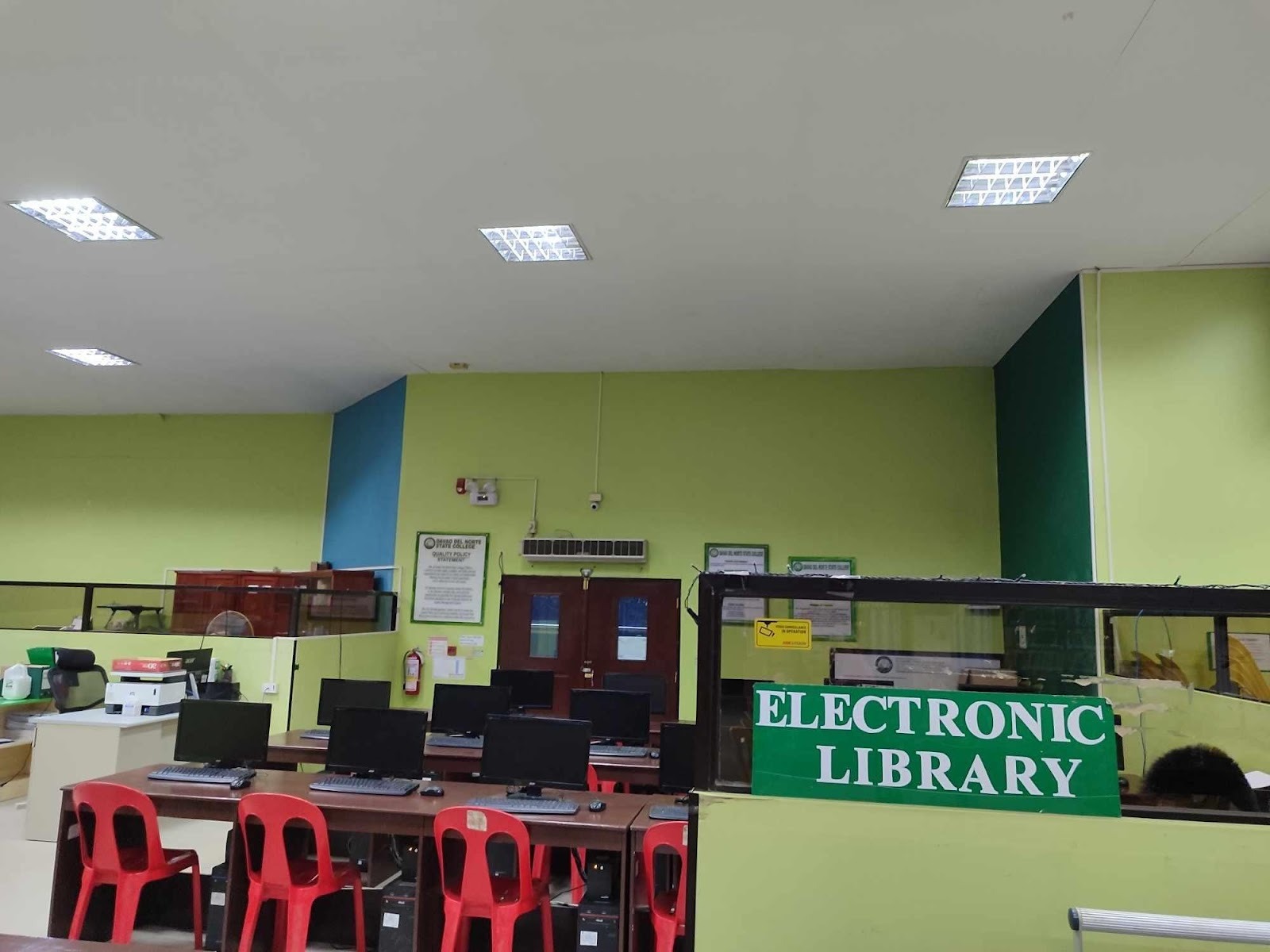
E-LIBRARY
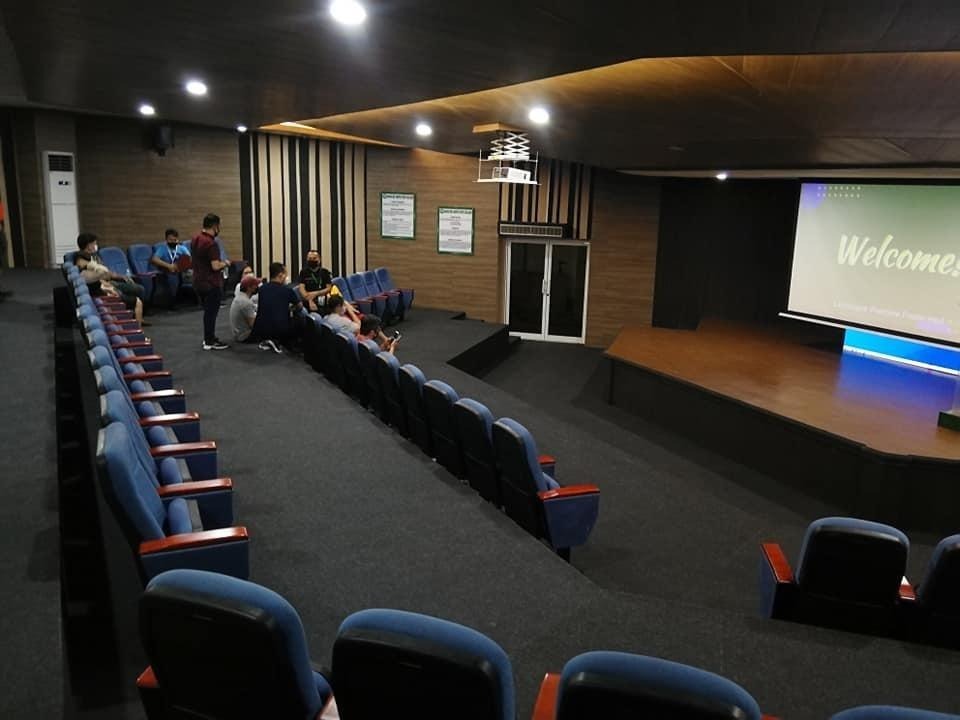
AUDIO-VISUAL ROOM
LIBRARY HOURS
MONDAY-FRIDAY
7:00AM-12:00PM,12:00PM-6:00PM
SATURDAY (Graduate School)
8:00AM-5:00PM
NO NOON BREAK
LIBRARY SECTIONS

Reference Section
a section for the 11 general and specific reference materials (Encyclopedia,Dictionary, Handbook,Alamnac, Gazzetter, Atlas, Bibliographical Dictionary,Yearbook, Index,Directory,Bibliography)
LIBRARY SECTIONS
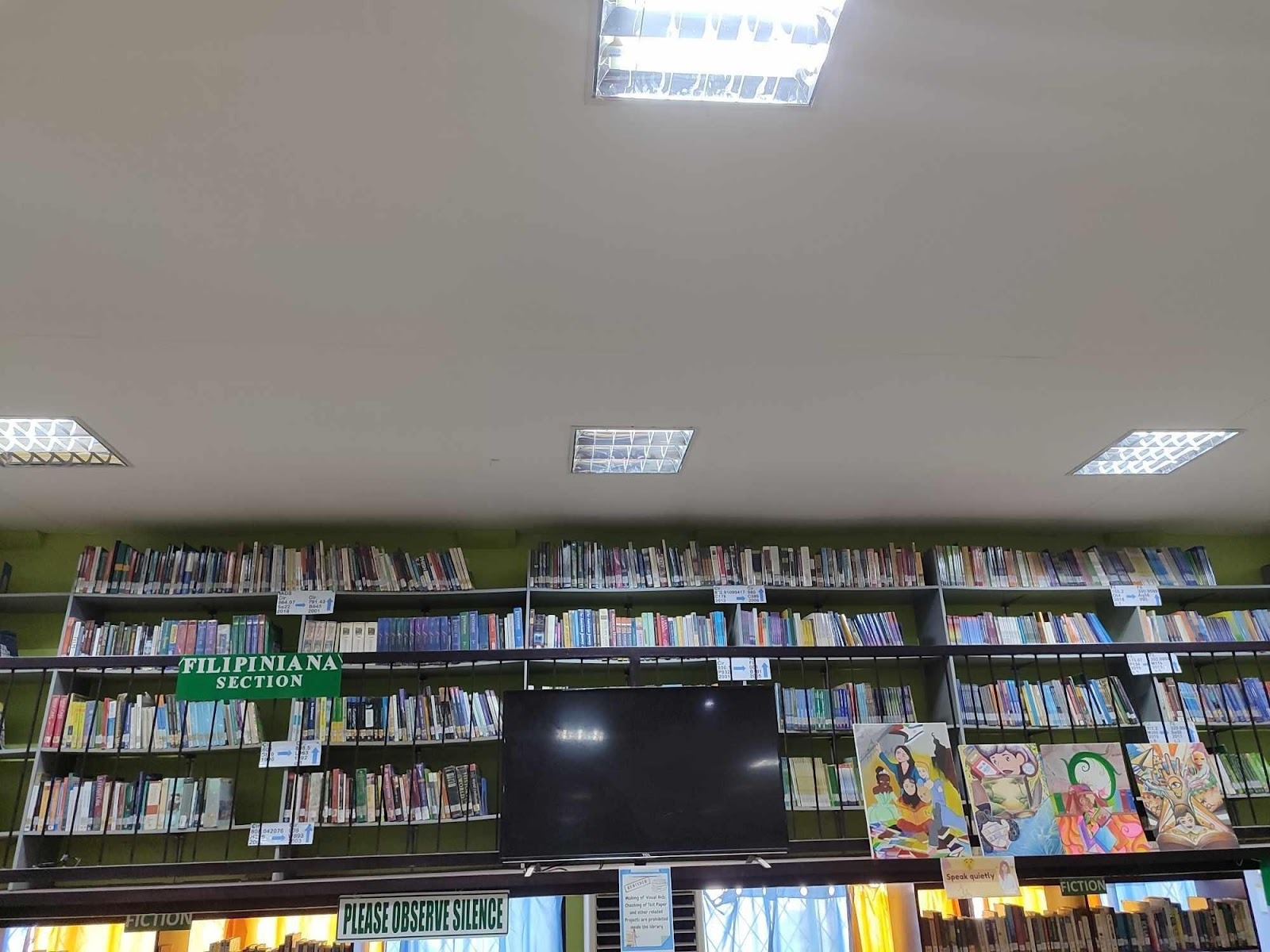
Filipiniana Section
a section that talk about the Philippines and intended for the Filipinos.
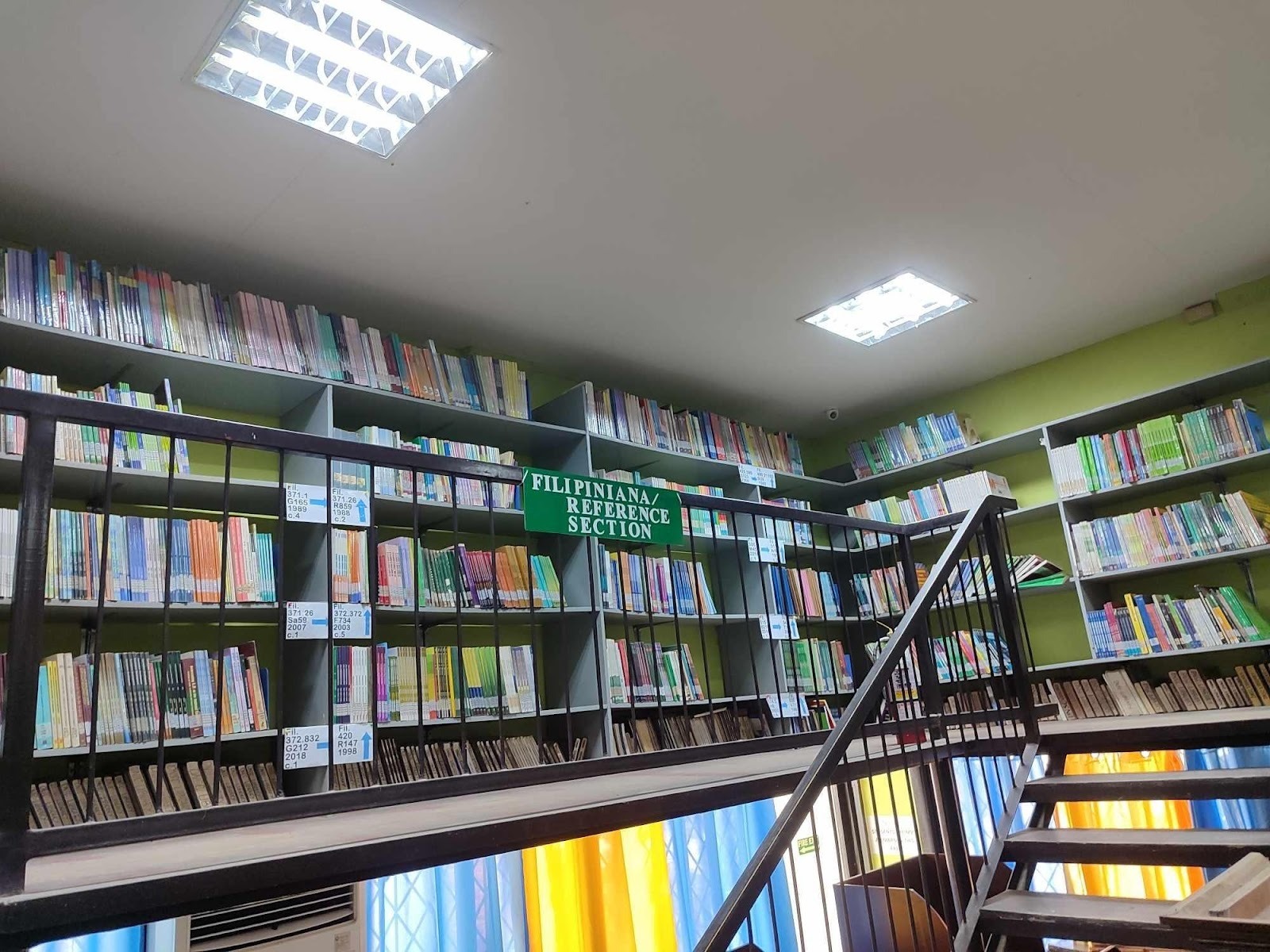
Filipiniana/Reference Section
a section for the 11 general/specific reference materials that talk about the Philippines and intended for the Filipinos.
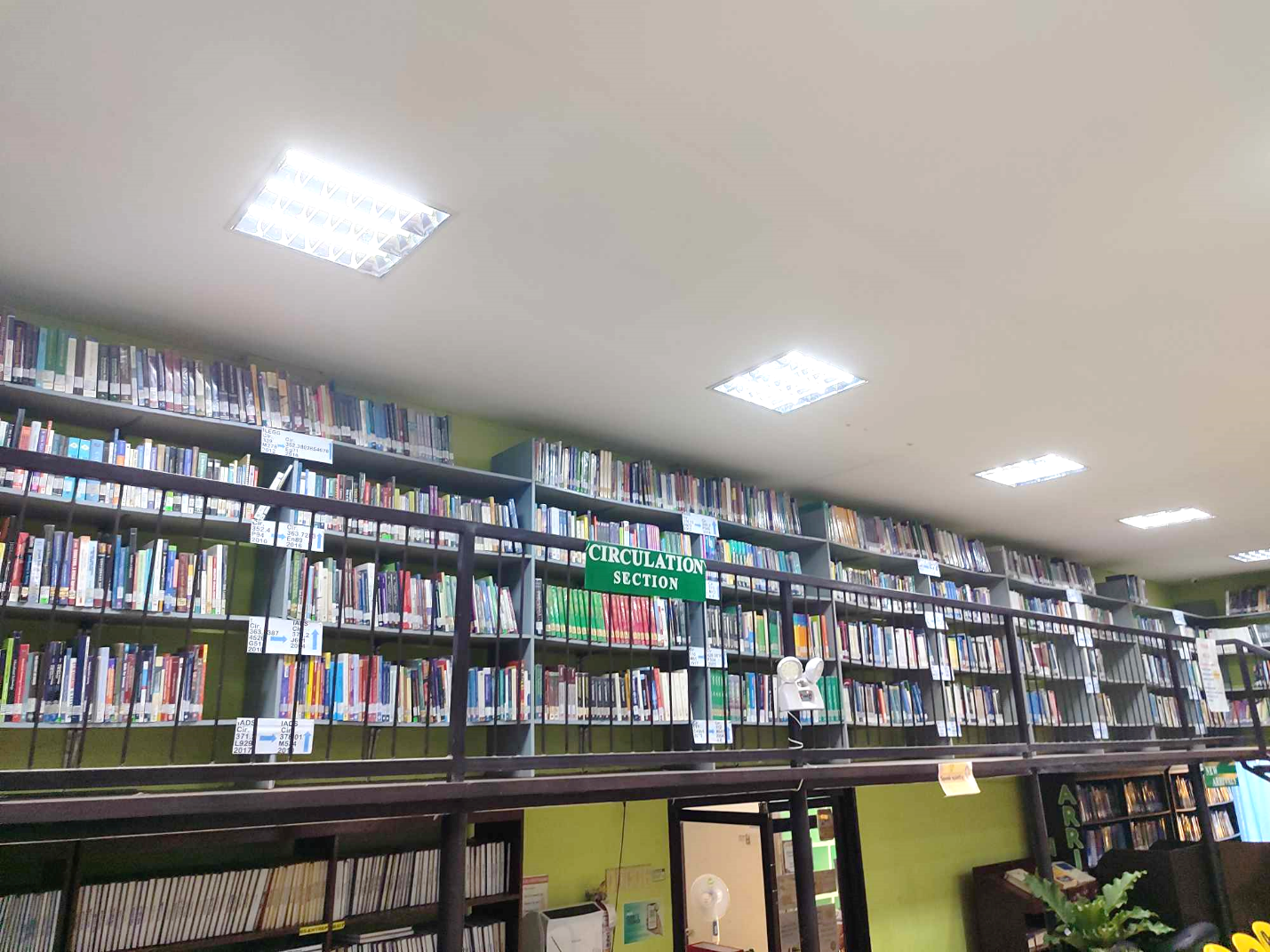
Circulation Section
a section for imported books, the major library collection covering the different areas of the discipline. All books in this section may be borrowed for overnight use.
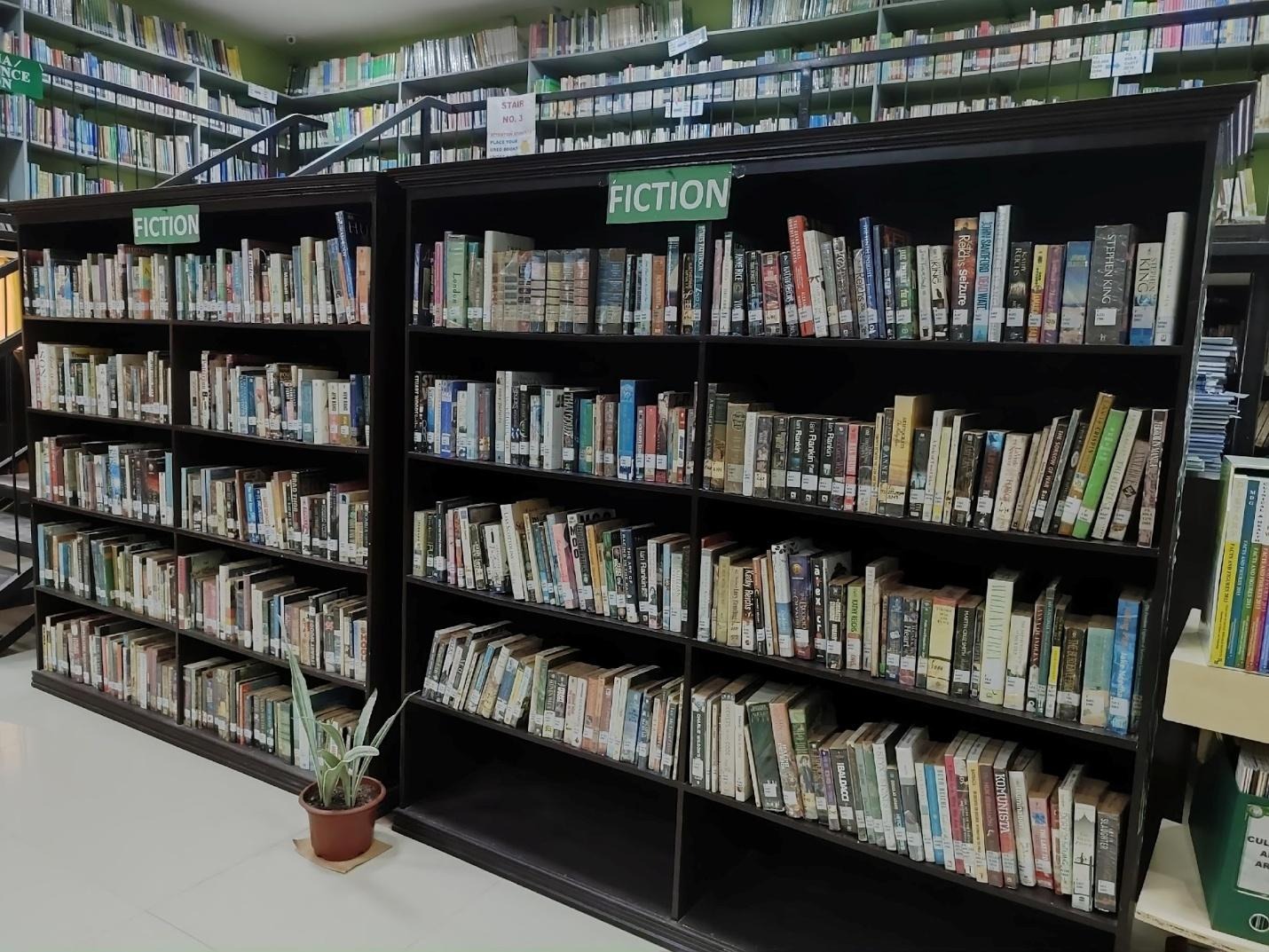
Fiction Section
a section for novels, stories materials, these are fictitious in nature.
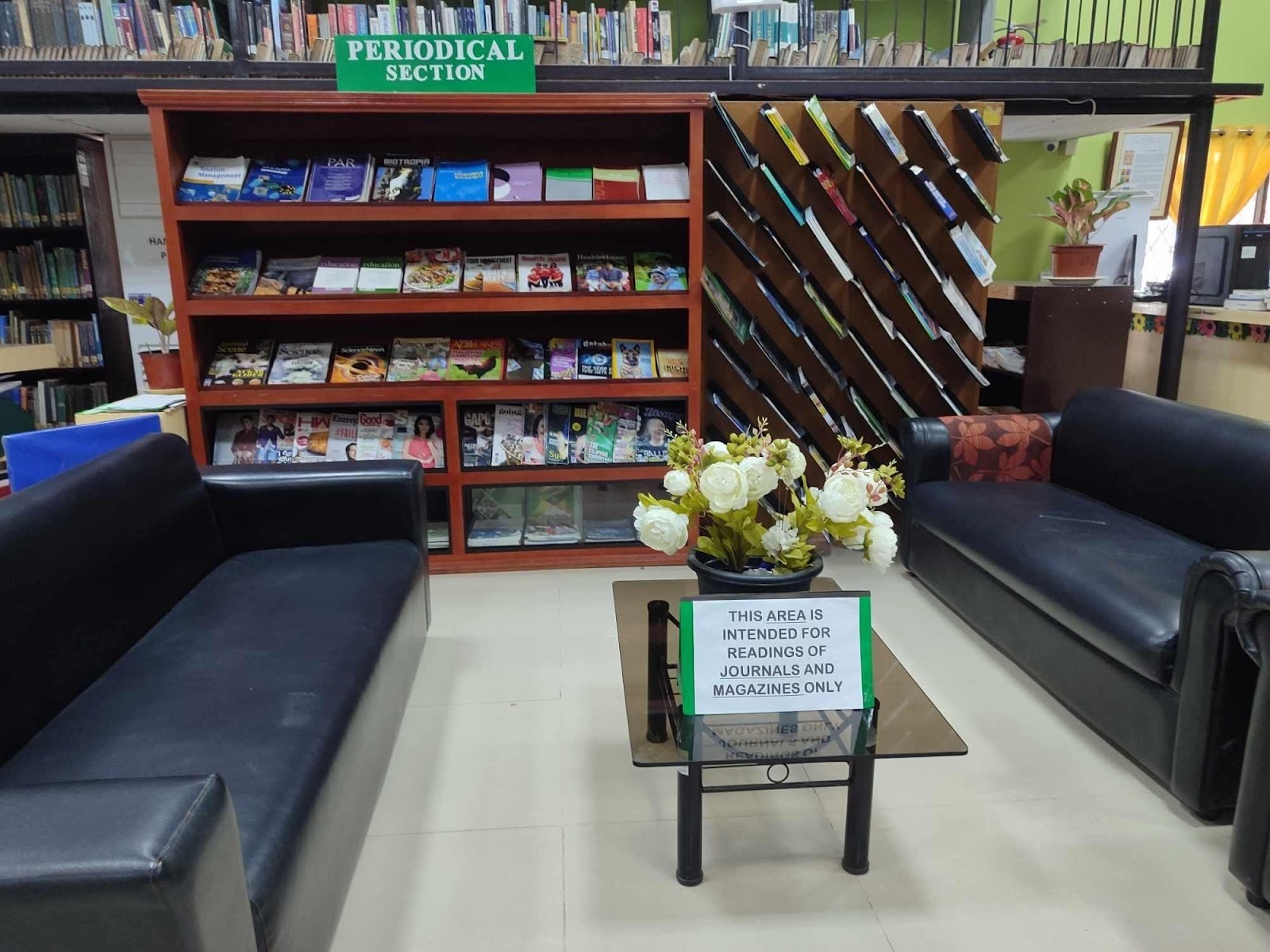
Periodical Section
a section for magazines, newspapers and journals.
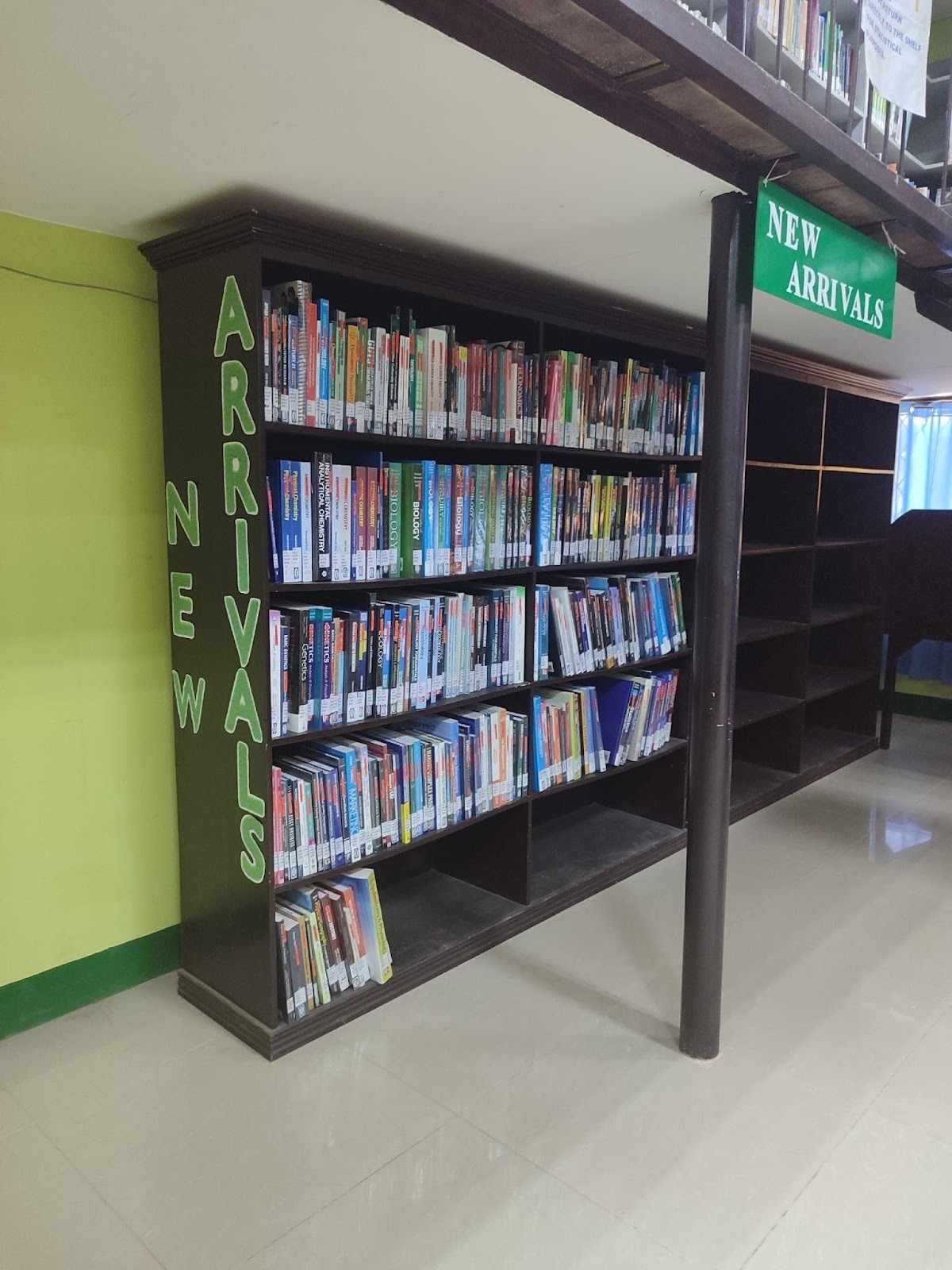
New Arrivals
a section for newly acquired books.
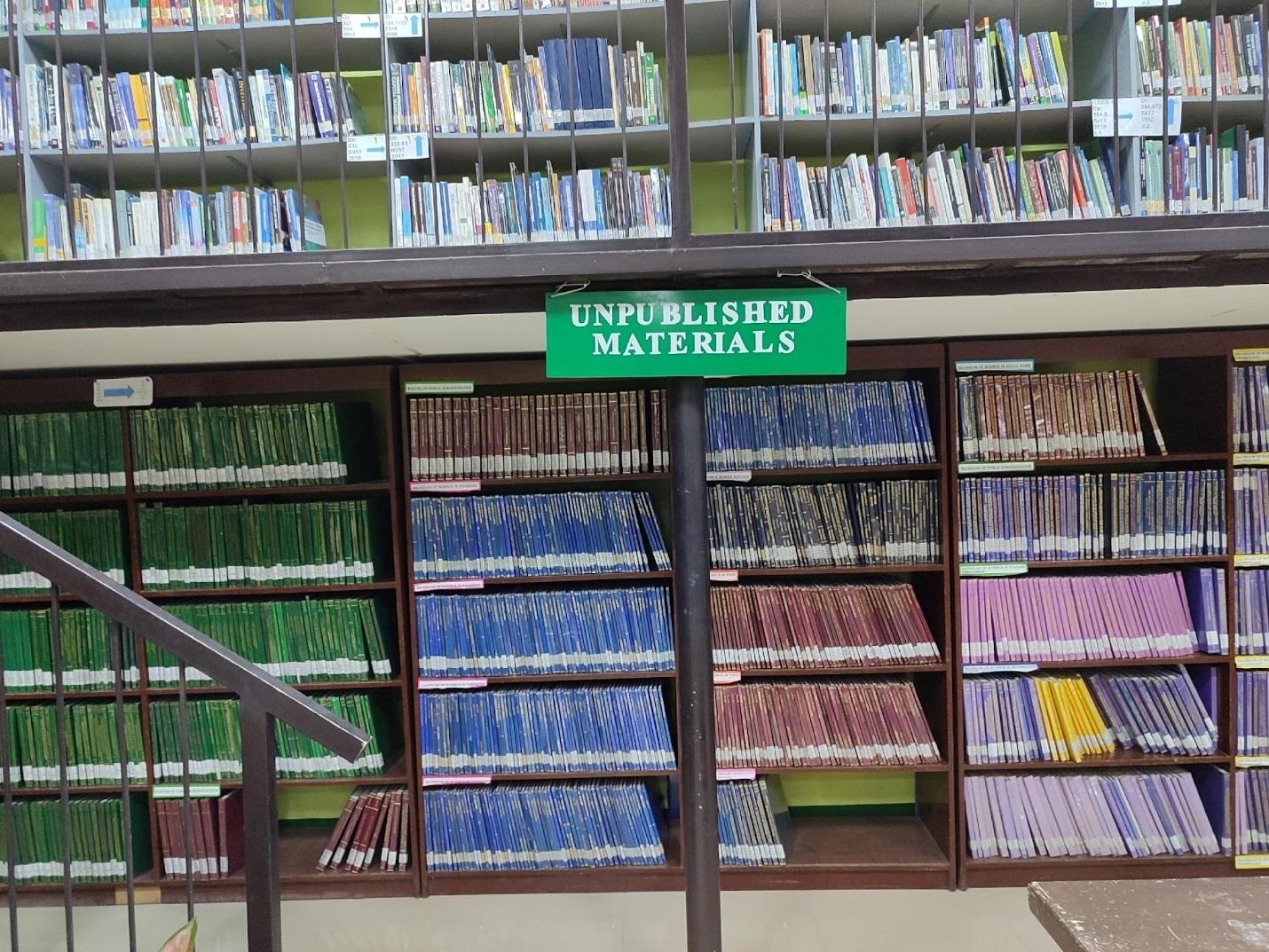
Unpublished Materials
a section for undergraduate thesis, Masteral, and Dissertation.
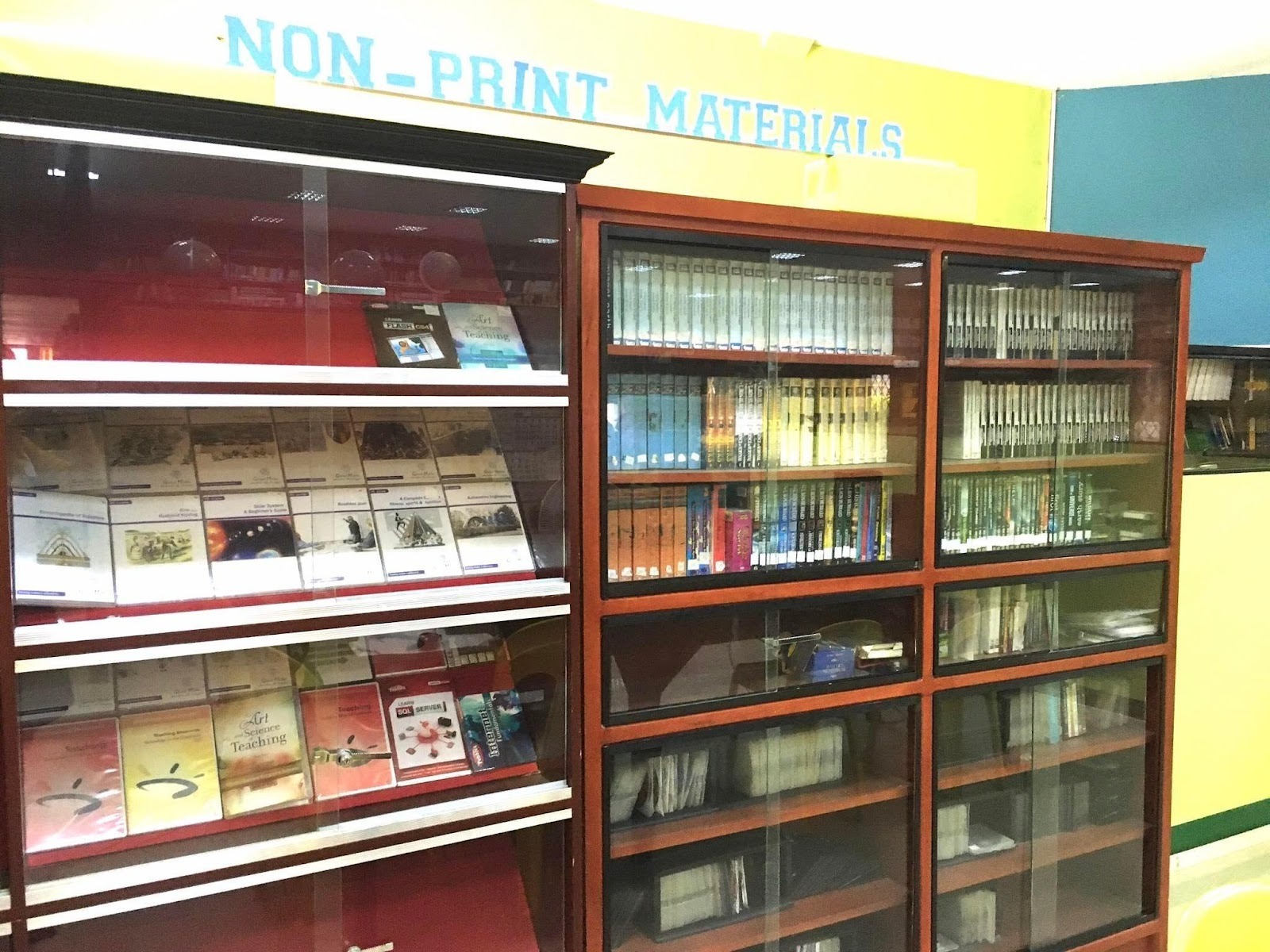
Non-Print Materials
a section for cds, dvds and other non-print materials.
LIBRARY RESOURCES
THE DIFFERENT TYPES OF LIBRARY MATERIALS
Print Materials:
-
Fiction books - deals with fictitious or non-factual information such as novels, that only come from the imagination of the author;
-
Non-fiction books – deals with factual information like sciences, history, languages, religion, geography and others;
-
Periodicals – includes newspapers, magazines, journals, bulletins, newsletters, and other forms which are published periodically like daily for newspapers, weekly, monthly, bi-monthly, annually, and other frequencies for magazines or journals;
-
Government publications and documents like annual reports, proceedings, and others;
-
Unpublished materials like dissertations, theses, feasibility studies, narrative reports, and others;
-
Vertical Files – these include clippings, pamphlets, leaflets, hand-outs, brochures, catalogs and others;
Audio-Visual Hall
-
Software materials like cassette tapes, DVD’s, CD’s, etc.
-
Hardware materials like LCD/LED projector, DVD/CD player, sound system, TV sets, etc.
E-Library
-
Computer sets with LAN and Internet access
-
Printers for printing
-
E-books, pdf files, full-text files
-
Online Database subscribed by the DNSC LIRC
-
Open Source and Shared Databases
CLASSIFICATION SCHEME
The classification system adopted by the Davao del Norte State College Learning and Information Resource Center is the Dewey Decimal Classification System (DDC).
This system is invented by Melvil Dewey in 1876 in order to classify and organize books, e-books, non-print materials and other resources according to the Decimal Numbers for easy location.
The Ten Major Divisions of the Dewey Decimal Classification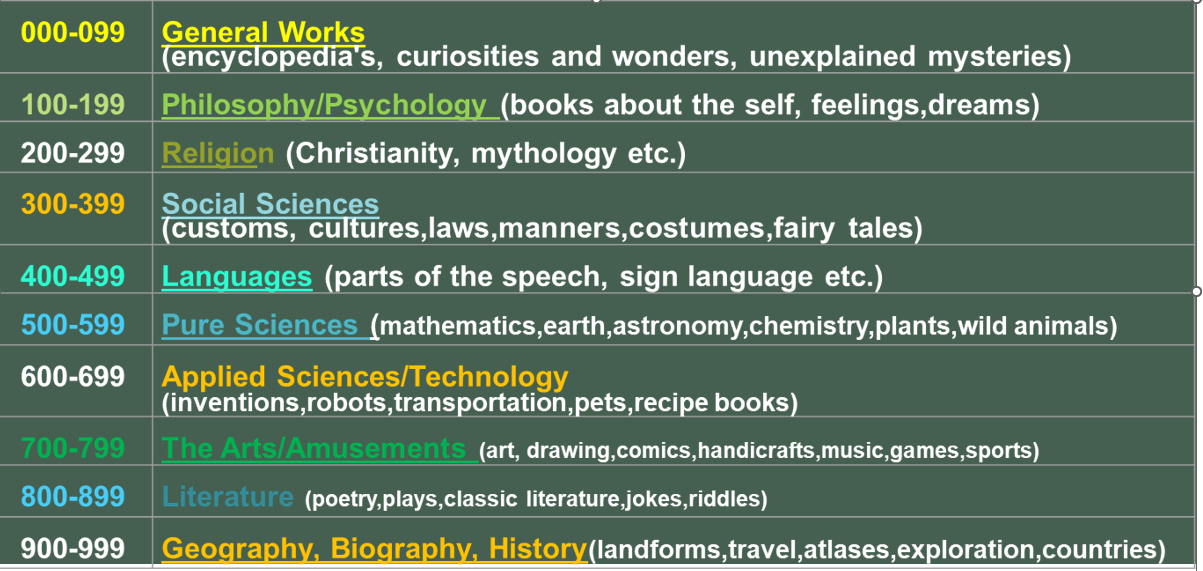
THE CALL NUMBER
The call number is a mark or a code, on the spine of a library book, or listed in the library's catalog, indicating the book's location in the library. It is an alphanumeric that uniquely identifies and indicates the location address of an item in a library's collection. It contains the following information: the location symbol of the different sections of the library, DDC number/class number, book number, copy number, volume number, publication or copyright date.
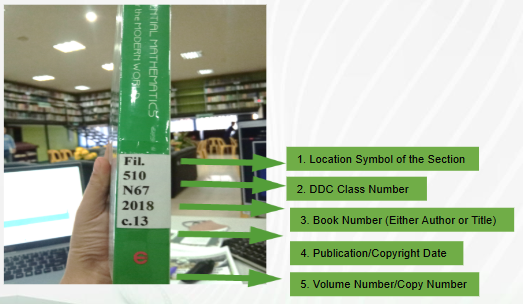
THE LOCATION SYMBOL
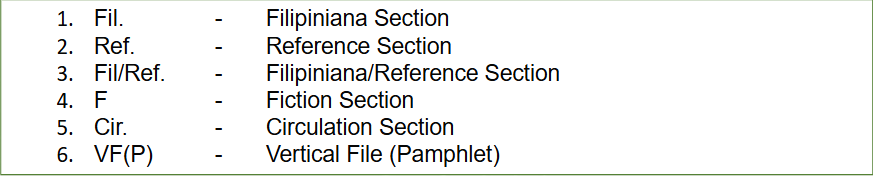
The location symbol is the symbol of the section where the book belongs like the following:
LIBRARY SERVICES
REFERENCE SERVICE
The Reference Service addresses the customer's inquiry regarding the type of materials that best suit their specific needs. This is effectively carried out through a reference interview conducted by the librarian to accurately identify the required reference resources, ensuring the customer receives the most appropriate materials.
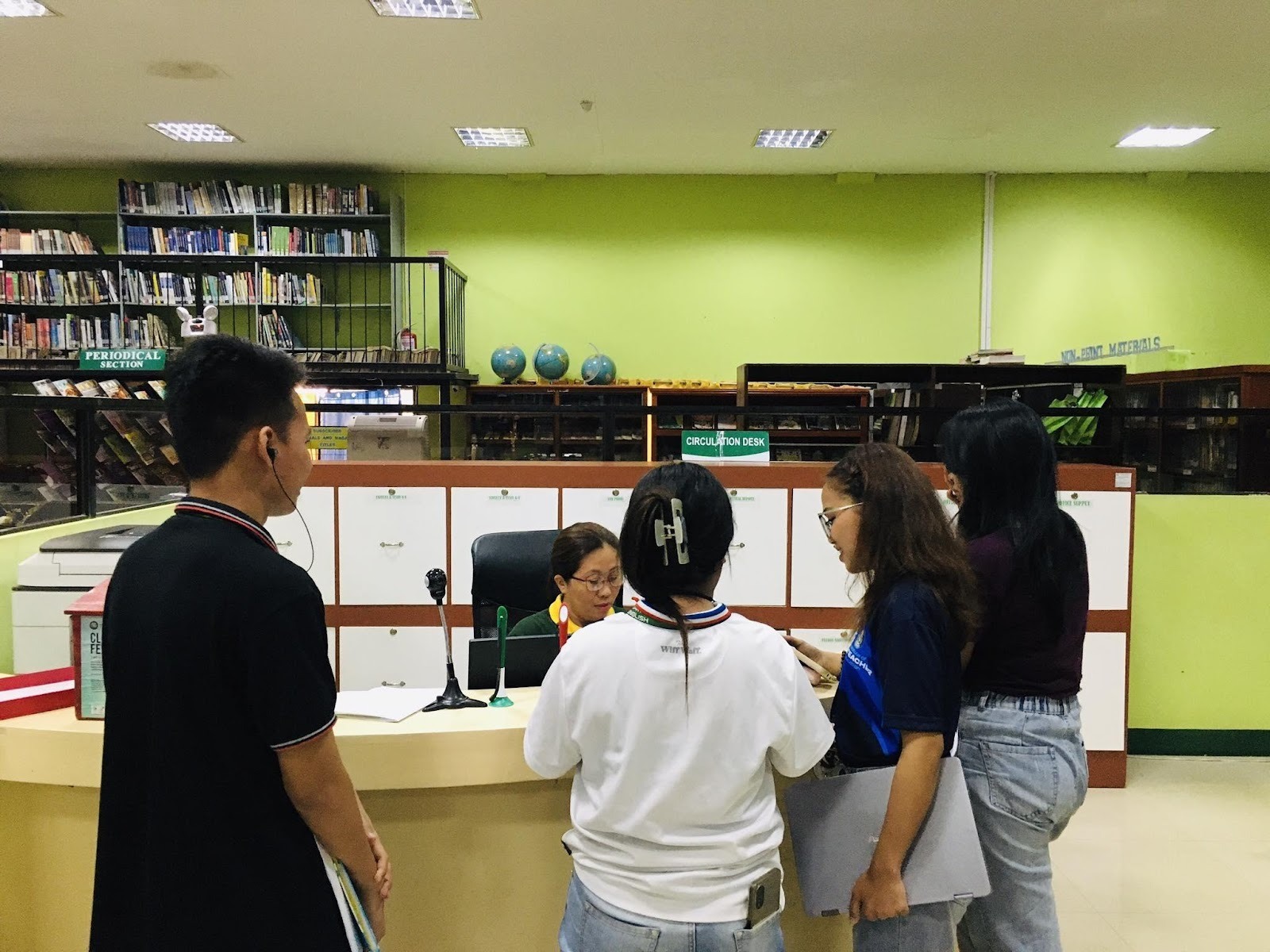
CIRCULATION SERVICE
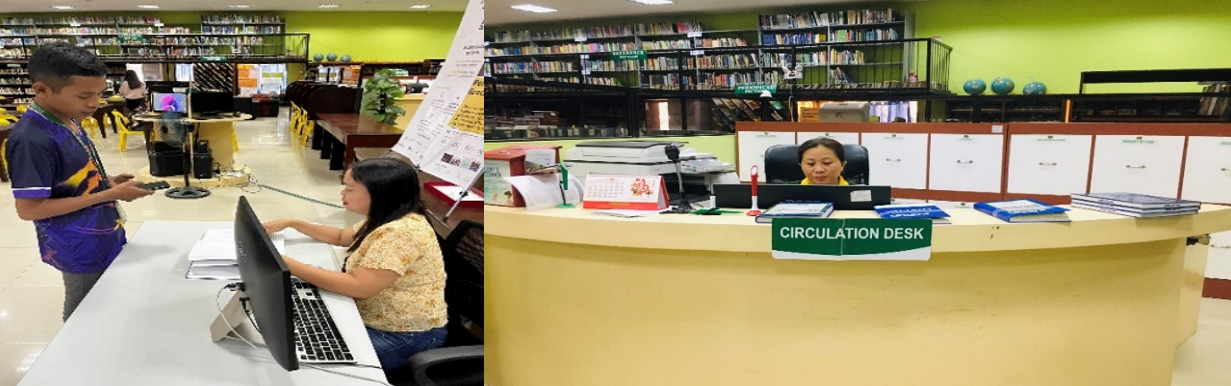
The Circulation Service caters to the customers’ needs for borrowing and returning materials for photocopy, signing of clearances, and booking of AVR.
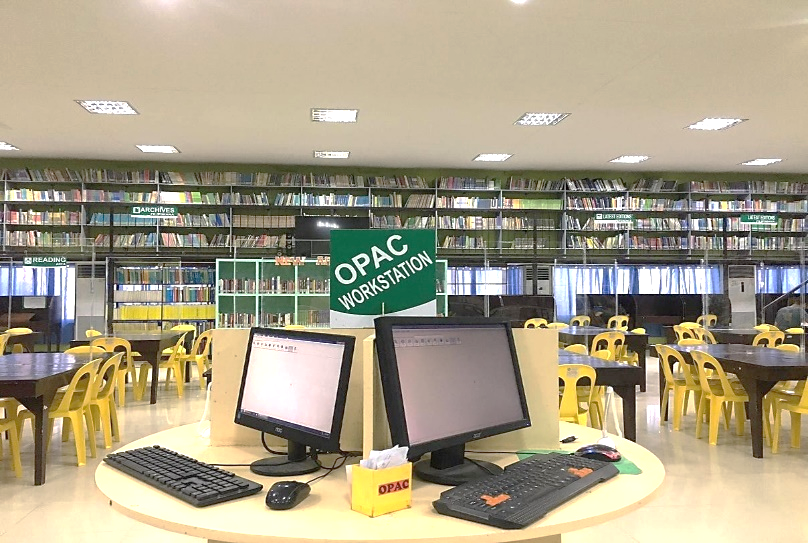
Bibliographic Searching/ OPAC Searching
This is a searching tool used in the readers services area using Integrated Library System called KOHA ILS. This serves as the directory of all the information materials available in the LIRC that guides the customers in locating the addresses of the resources or direct the customers where to locate the materials available and already loaned-out.
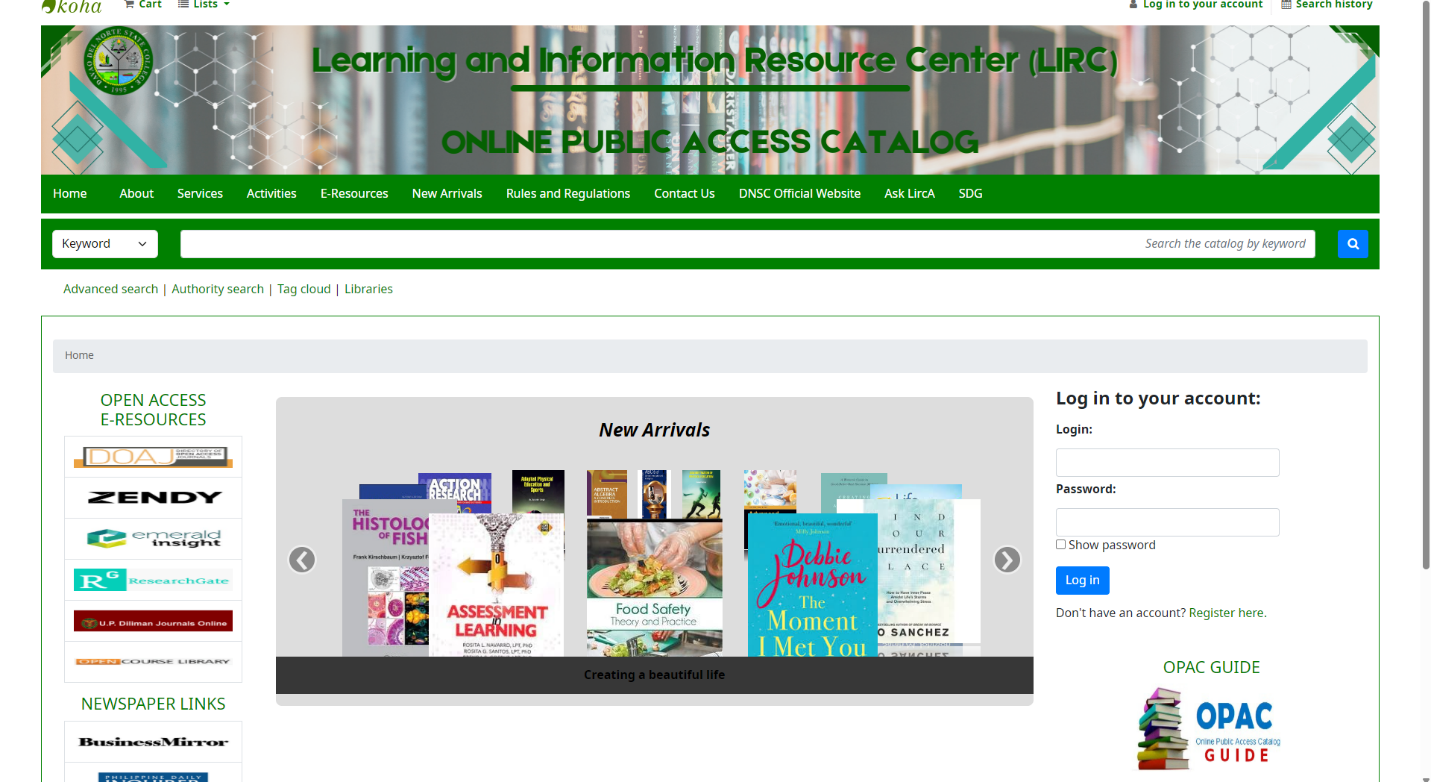
ONLINE PUBLIC ACCESS CATALOG (OPAC)
The OPAC is a directory of all the books and other resources available in the LIRC. It has a search button for the customer to fill-in either the author, the title, the subject, the call number, and other information of the book, then select and click among the icons.(http://lirc.dnsc.edu.ph) bibliographic information to get the desired information.
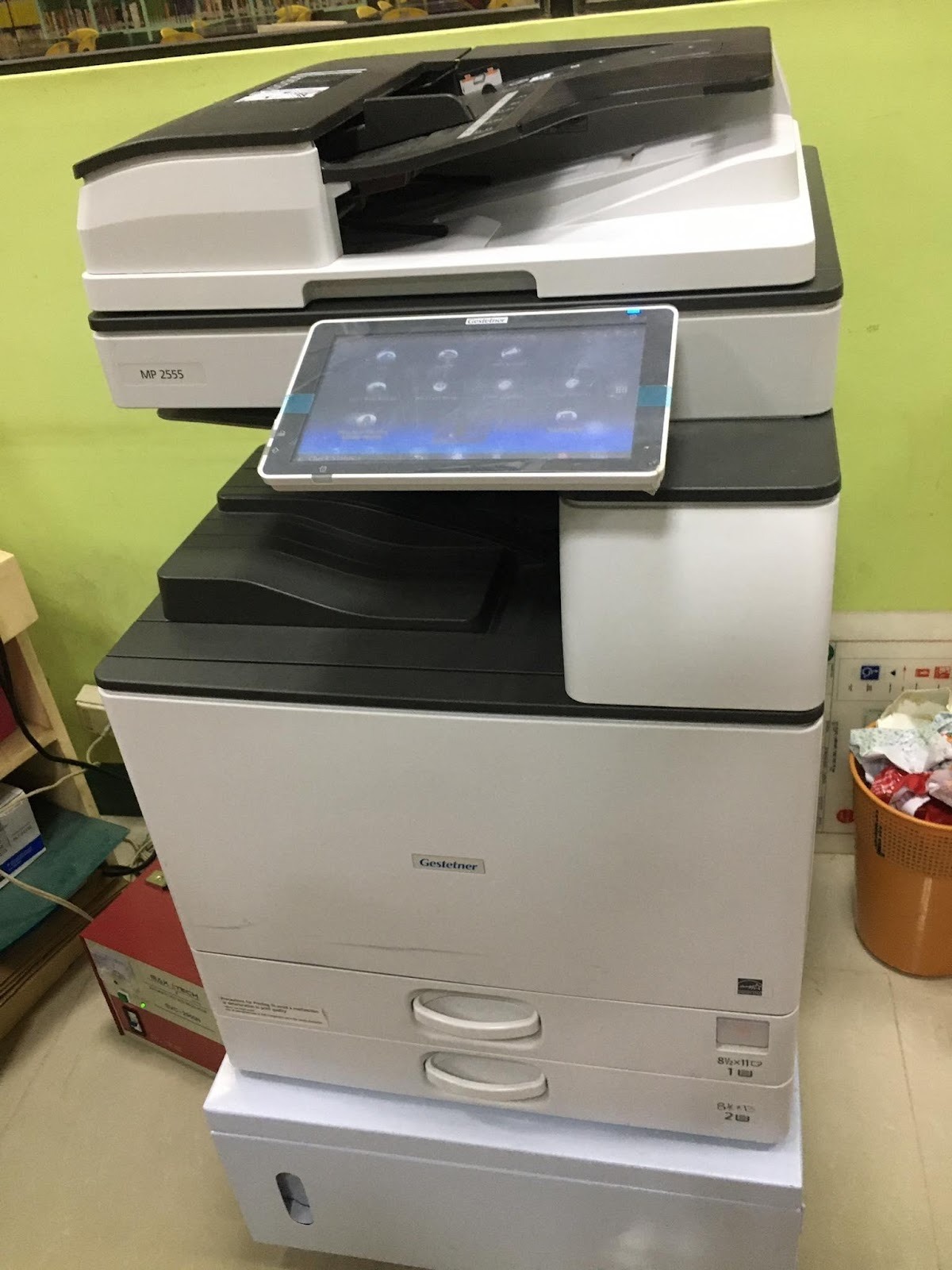 PHOTOCOPYING AND PRINTING SERVICE
This service allows the customers to photocopy on parts of the materials they need for their research or assignment, and printing of necessary documents
E-LIBRARY SERVICE
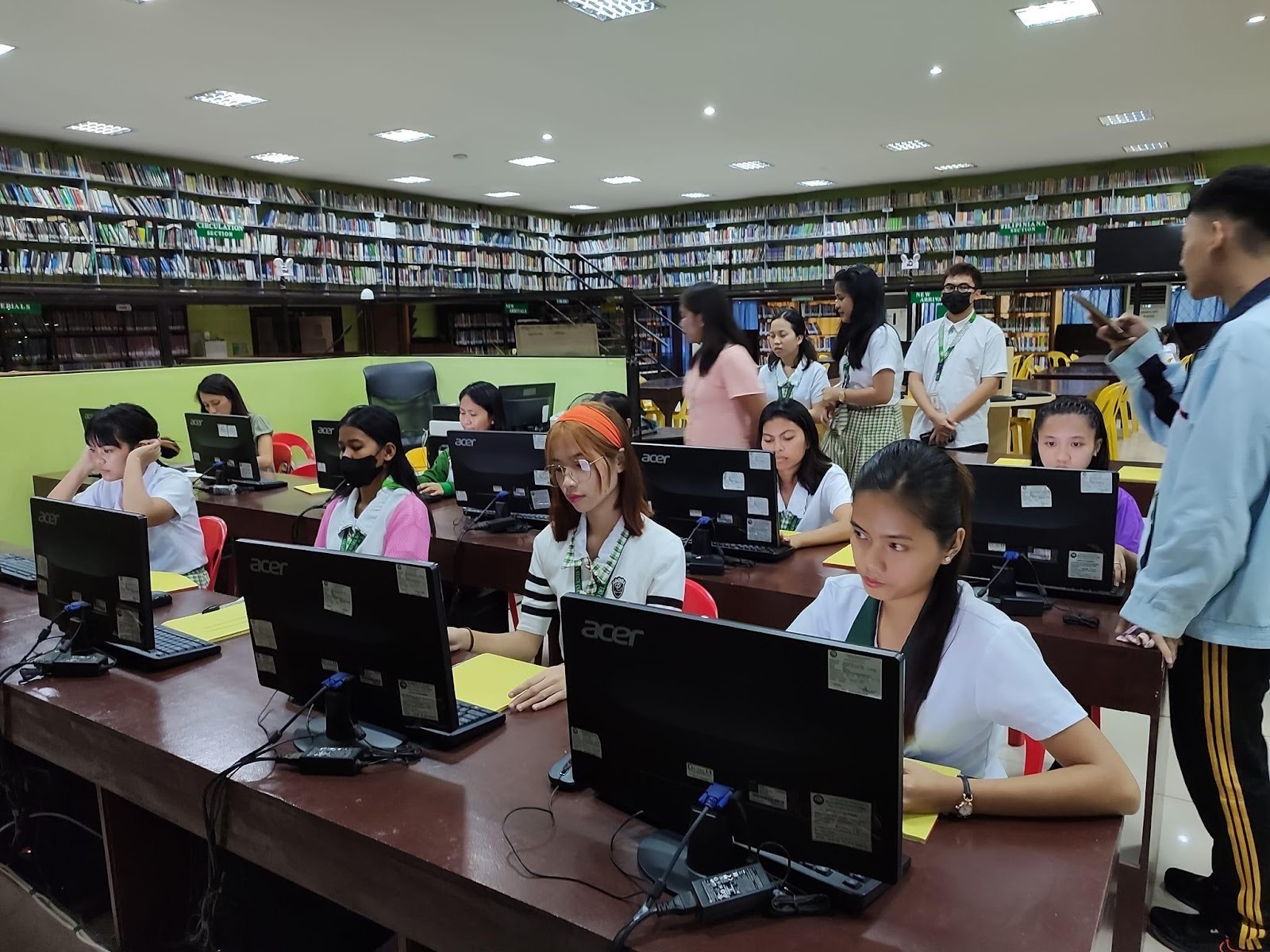
This facility uses computers for online searching of credible materials like online databases, e-book searching, video viewing, encoding, printing, and others. The e-lib services that you can avail are the following: off-line and on-line electronic library systems, e-resources, encoding, printing, and e-mailing.
VIRTUAL REFERENCE SERVICE
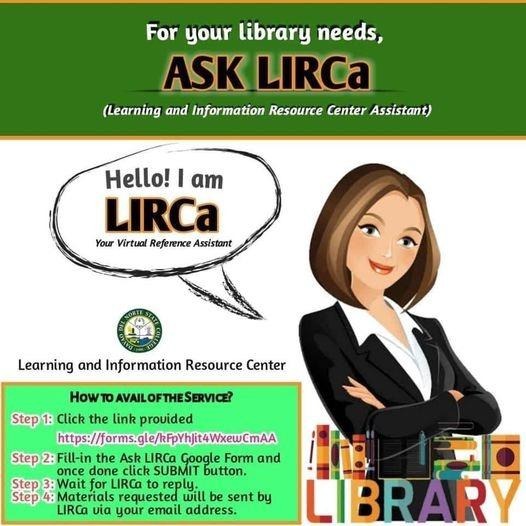
Virtual Reference Assistant (VRA) who answers your reference
queries available online. LIRCa provides your needs via email.
WHAT CAN BE REQUESTED?
*Electronic Resources like online databases (e-books, e-journals, e-magazines, e-newspapers, power point presentations, videos from you tubes, etc.);
*Scanned print materials like book pages or chapters, journal and magazine articles, newspaper clippings, pamphlets, theses dissertations;
* Other print materials available at the Learning and Information Resource Center (LIRC).
Just ask LIRCa and she will deliver your reference needs as soon as the resources are available.
CURRENT AWARENESS SERVICE
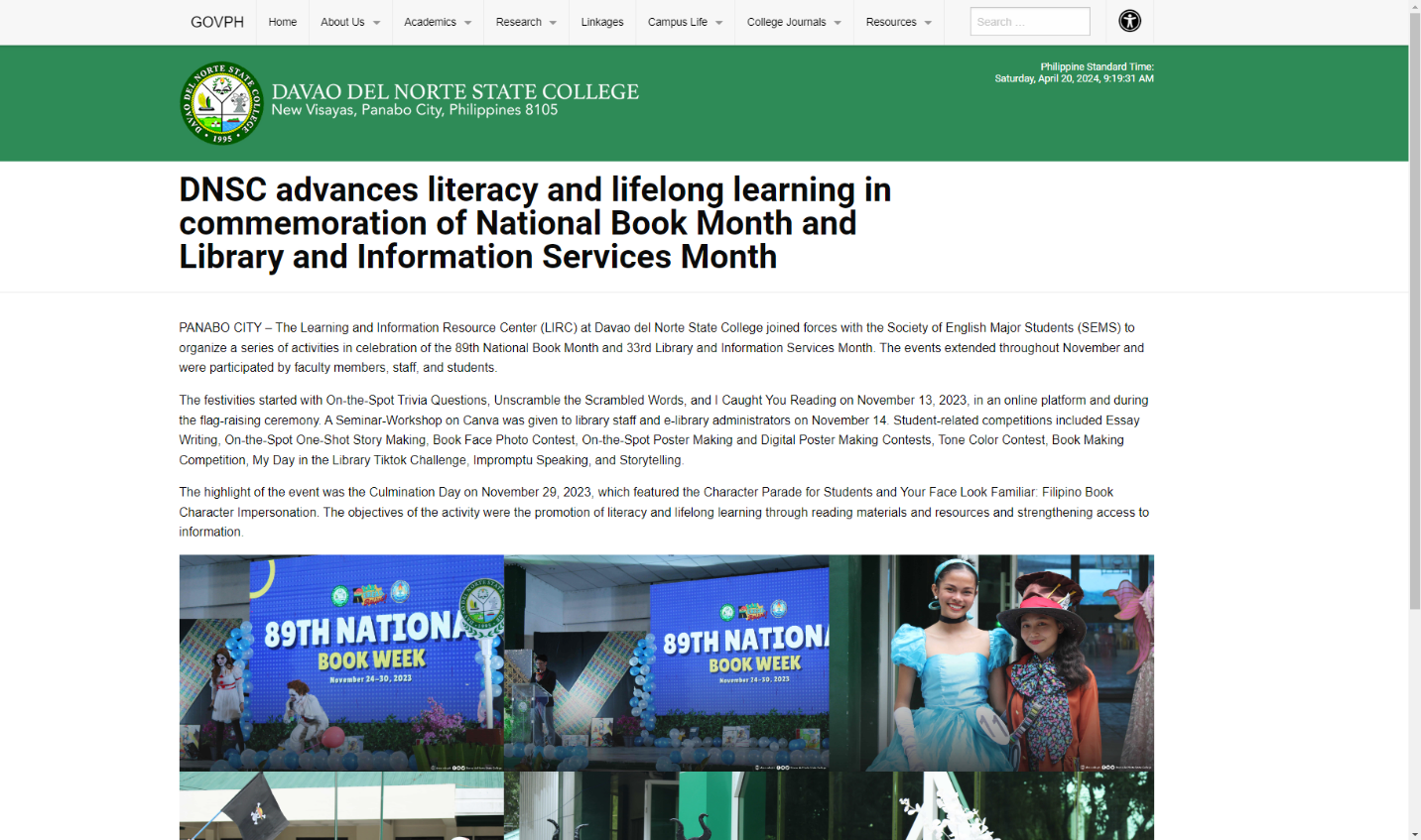
The LIRC conducted Library Orientation every beginning of the school year to all new students; monthly posting of information and celebrations in the bulletin boards, annual celebrations of the National Book Week and Library and Information Services Month, an active/updated DNSC LIRC Facebook page that regularly announces the different activities, programs.
ONLINE DATABASE SUBSCRIBED BY DNSC LIRC
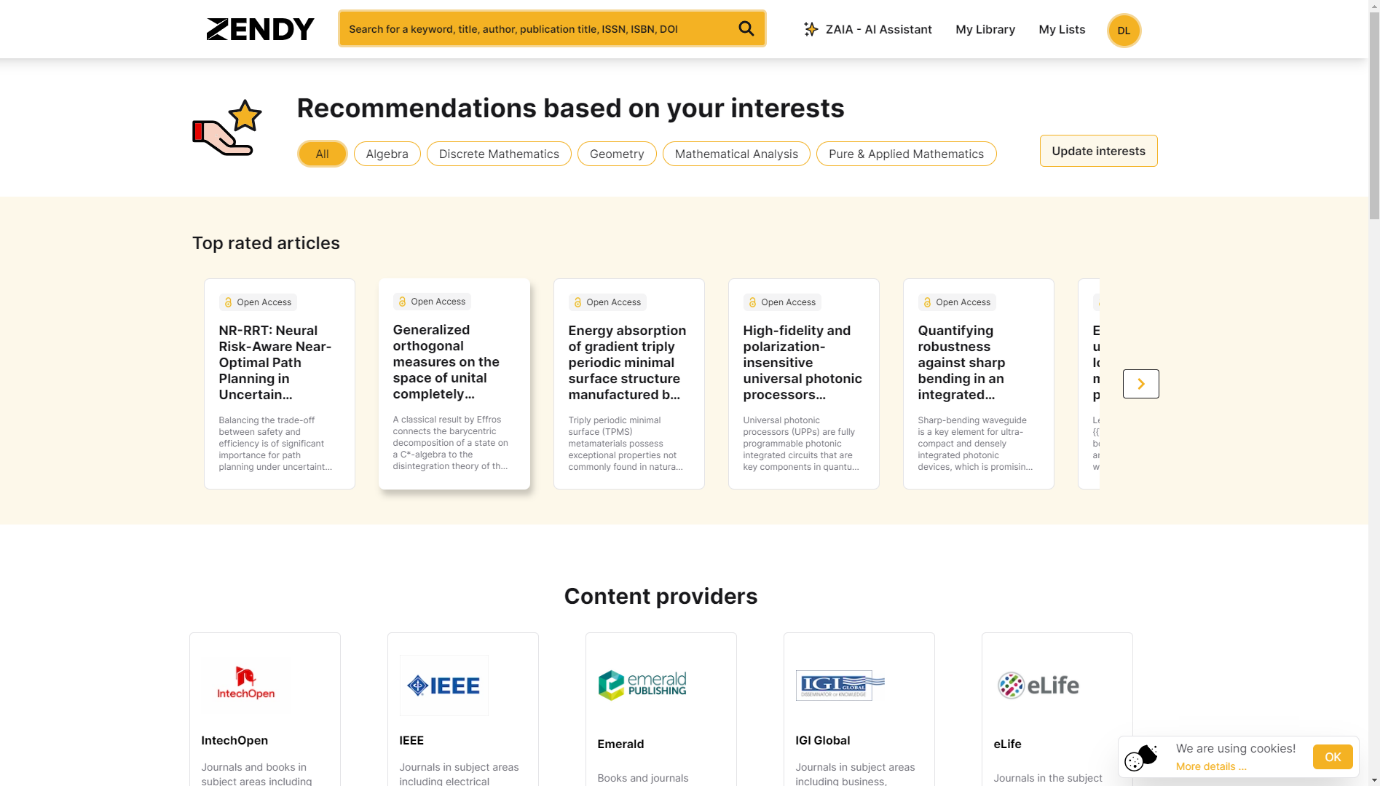
Zendy
an online library established to provide affordable access to scholarly research and literature across the globe.
Zendy provides access to array of ebooks, journals , reports, case studies, journal articles.
ZAIA- personal Al assistant for research.
Go to: https://zendy.io/
Log-in your DNSC email account
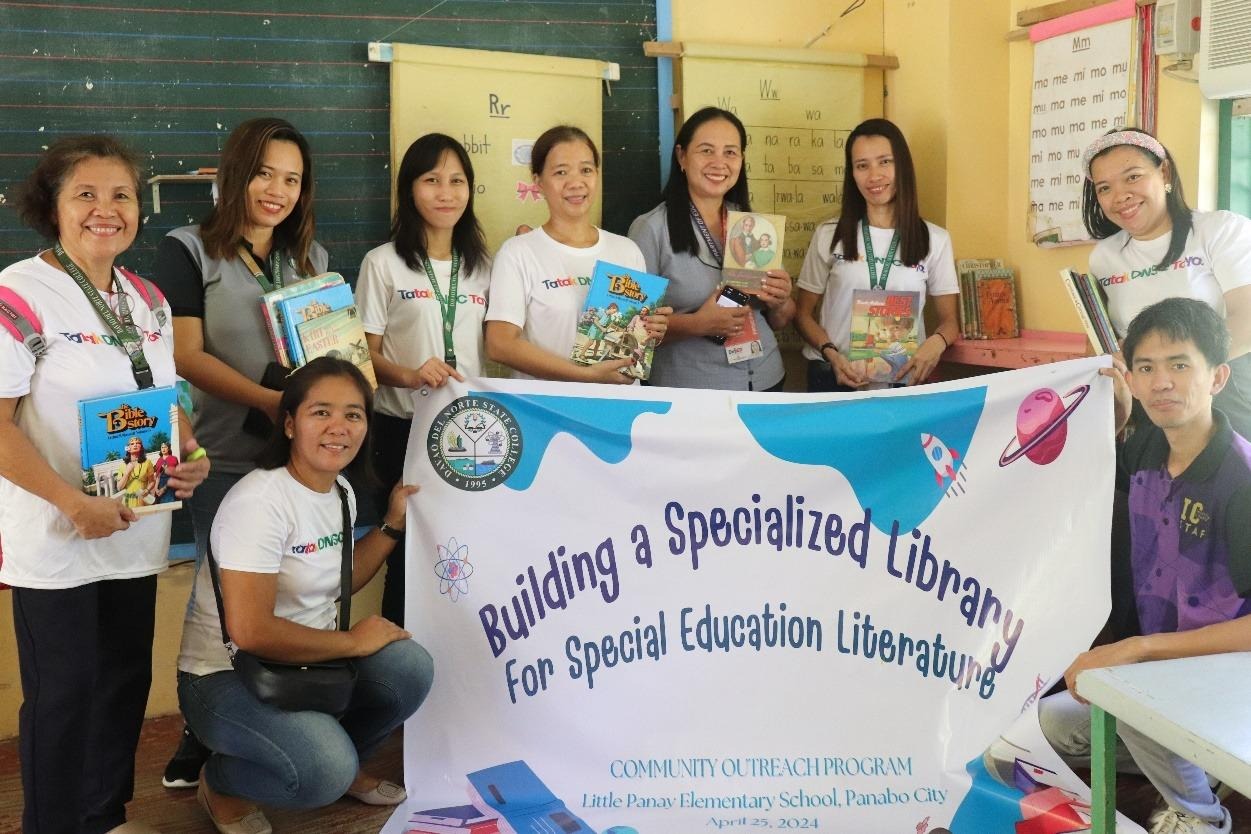
COMMUNITY OUTREACH PROGRAM
The LIRC extends its services and resources beyond its physical location to engage underserved groups and foster community connections. The goal is to provide access to information, build skills and create stronger, more connected communities by bringing library services to the community.
AUDIO-VISUAL ROOM UTILIZATION ROOM SERVICES
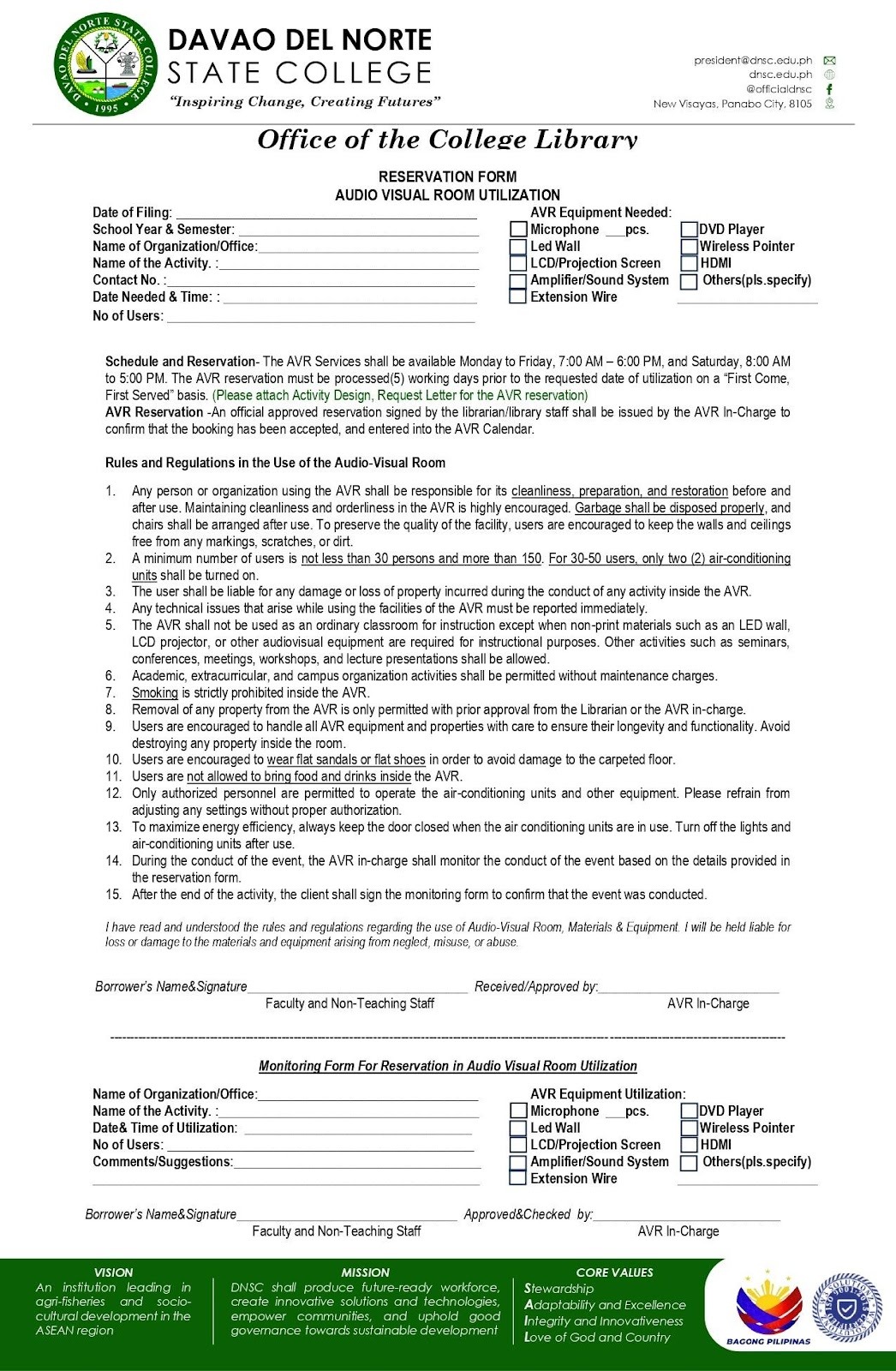
This service area supports the teaching-learning process. It is where teachers conduct class presentations, film viewings, and other audio-visual activities. It also serves as a venue for seminars, trainings, conferences, and similar events.
BORROWING GUIDELINES
FACULTY AND STAFF
Faculty members are entitled to borrow library materials to support their teaching and academic activities, following the guidelines outlined below:
-
A faculty member may borrow a maximum of five (5) book titles per subject load relevant to the actual subjects taught during the current semester.
-
Borrowed books must be returned at the end of each semester for inventory purposes. They may be renewed or reborrowed if no other users have requested the same titles.
-
Other titles, such as single-copy books used as textbooks, may be borrowed for overnight use between 1:00 PM and 6:00 PM, and must be returned the following day on or before 8:00 AM.
REQUIREMENTS FOR BORROWING PRIVILEGES:
-
Permanent Faculty and Staff
Certificate of Employment / Appointment
-
Contract of Service / Job Order
Guarantor Permanent Faculty or Staff
REPLACEMENT OF DAMAGED/LOST BOOKS
Lost/Damaged Books
The borrower who reports a badly damaged or lost book shall search for a replacement with the same title; author of the current edition.
If the book is not available in the local bookstores, the borrower shall pay the amount of the book to cashier’s office.
Payment Procedure
-
The borrower must secure a signed “Lost Book Form” from the circulation counter before paying the cashier.
-
Go to the accounting service unit for Billing
-
Pay the amount of the book to the Cashier
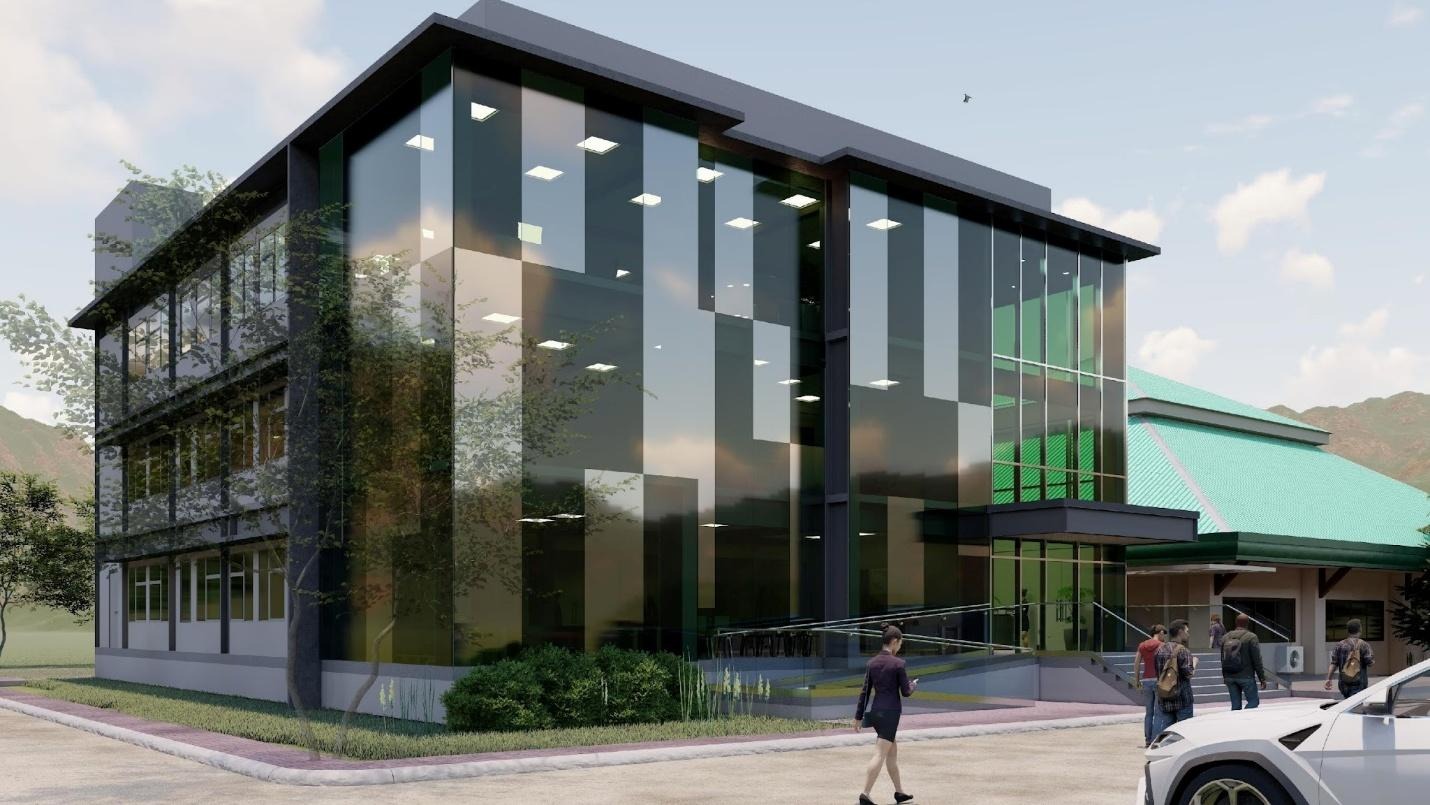
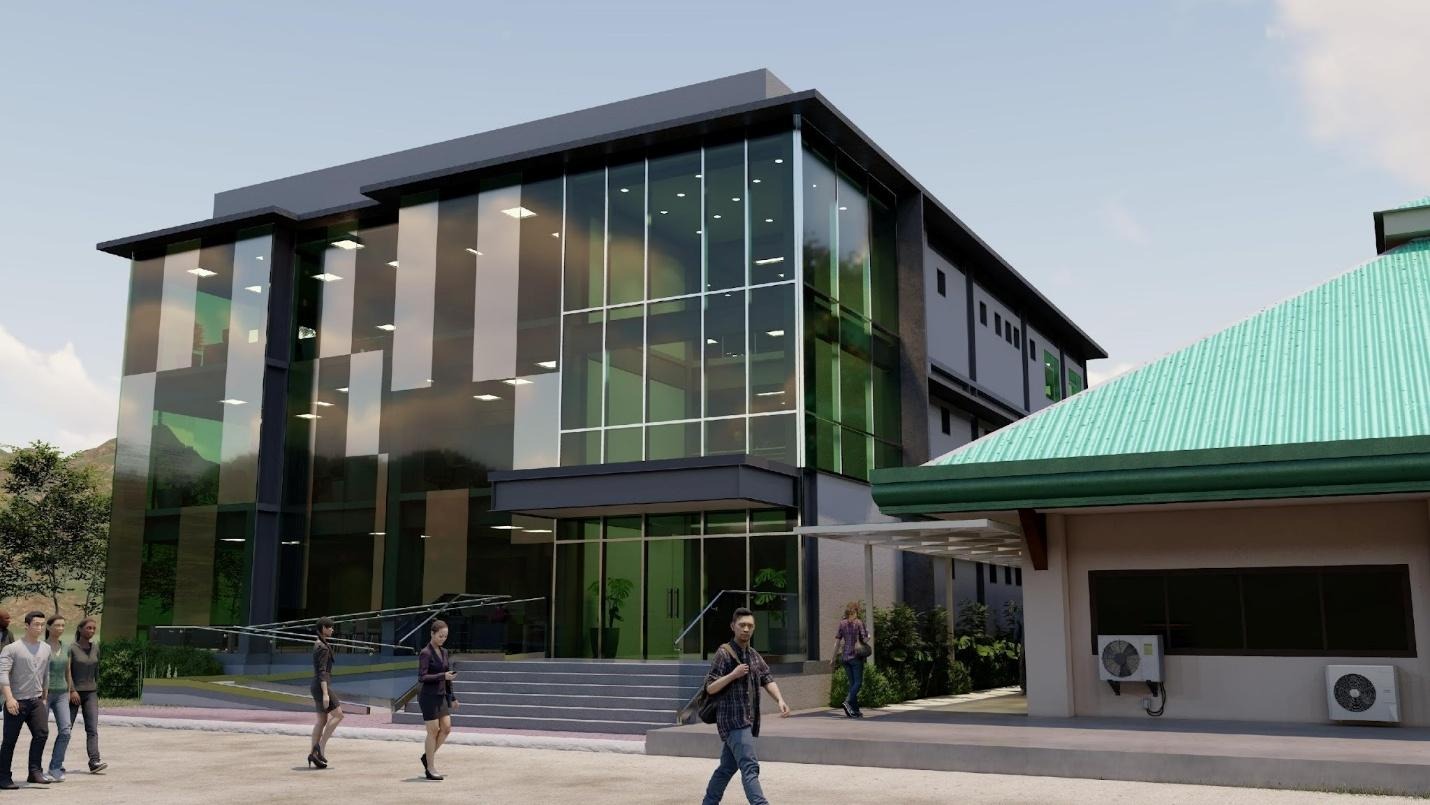
BUILDING PERSPECTIVE OF THE PROPOSED DNSC LIRC
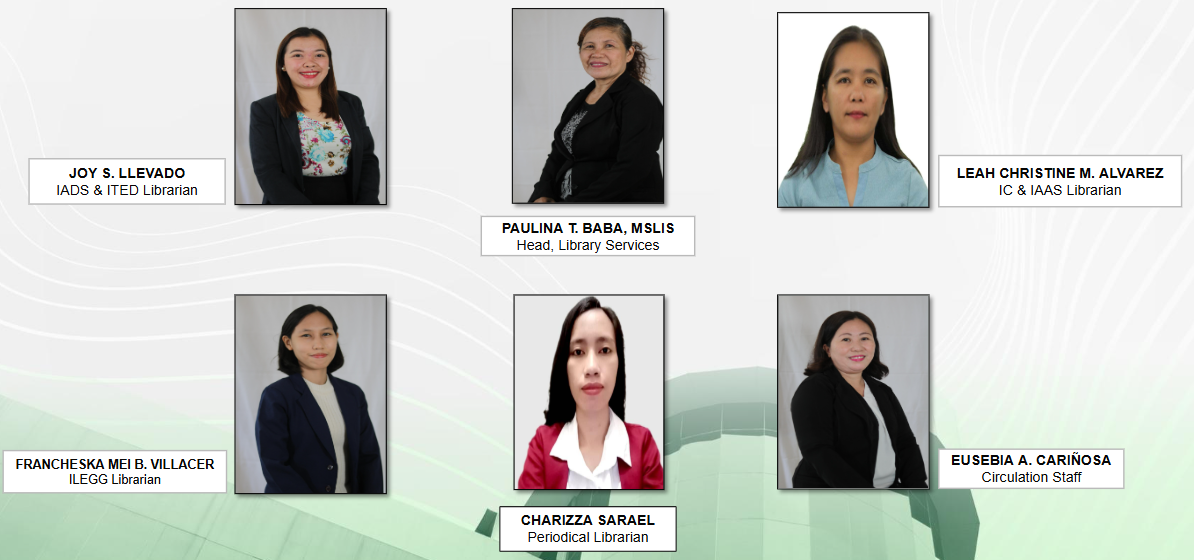
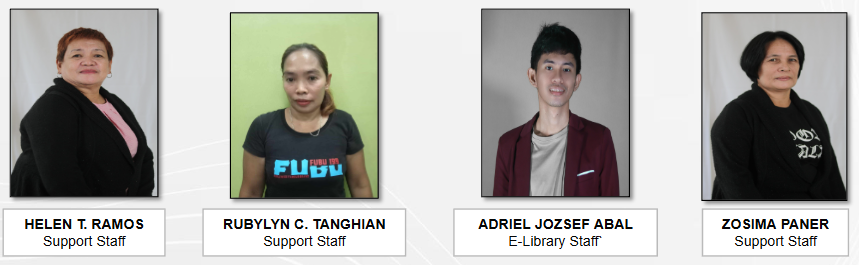
LIRC PERSONNEL